For too long, we’ve treated nature as something outside of business. Something to protect, give back to, or offset our impact on. But what if we’ve been looking at it all wrong?
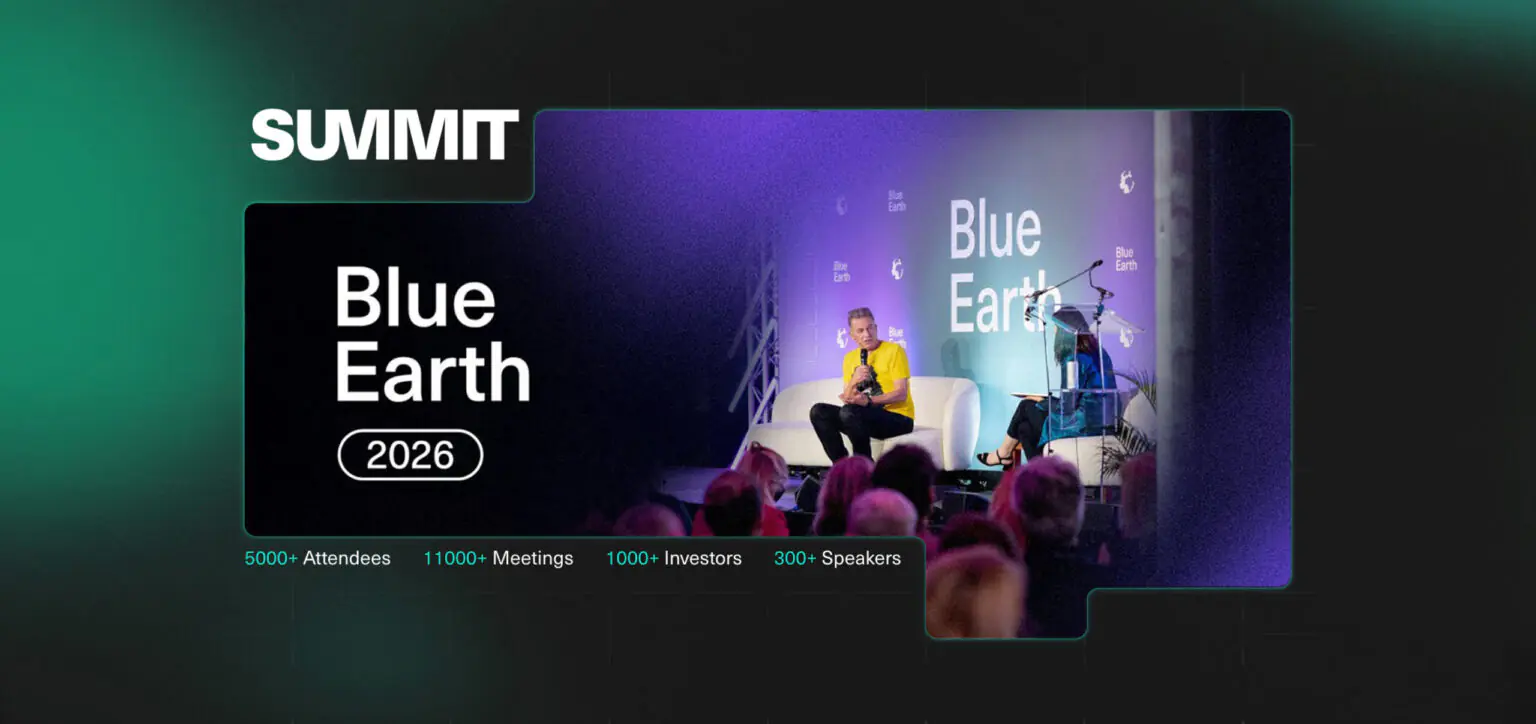
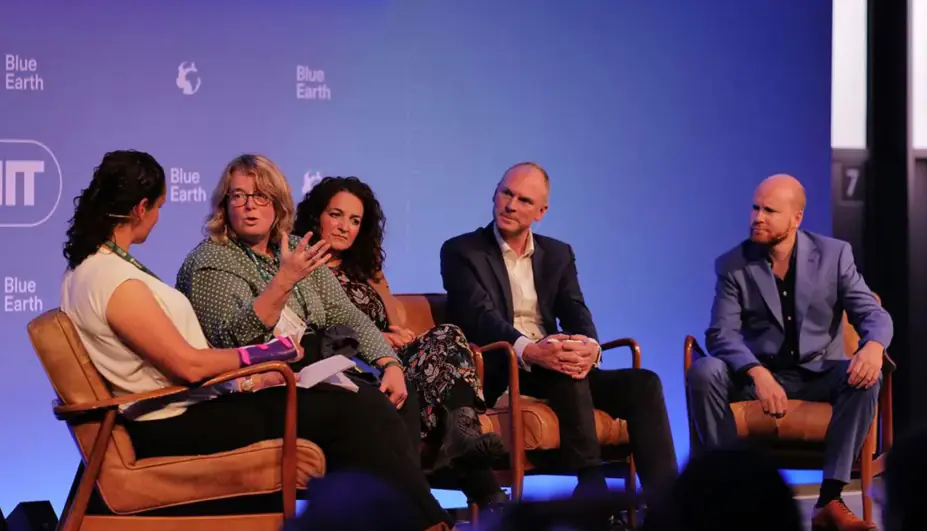
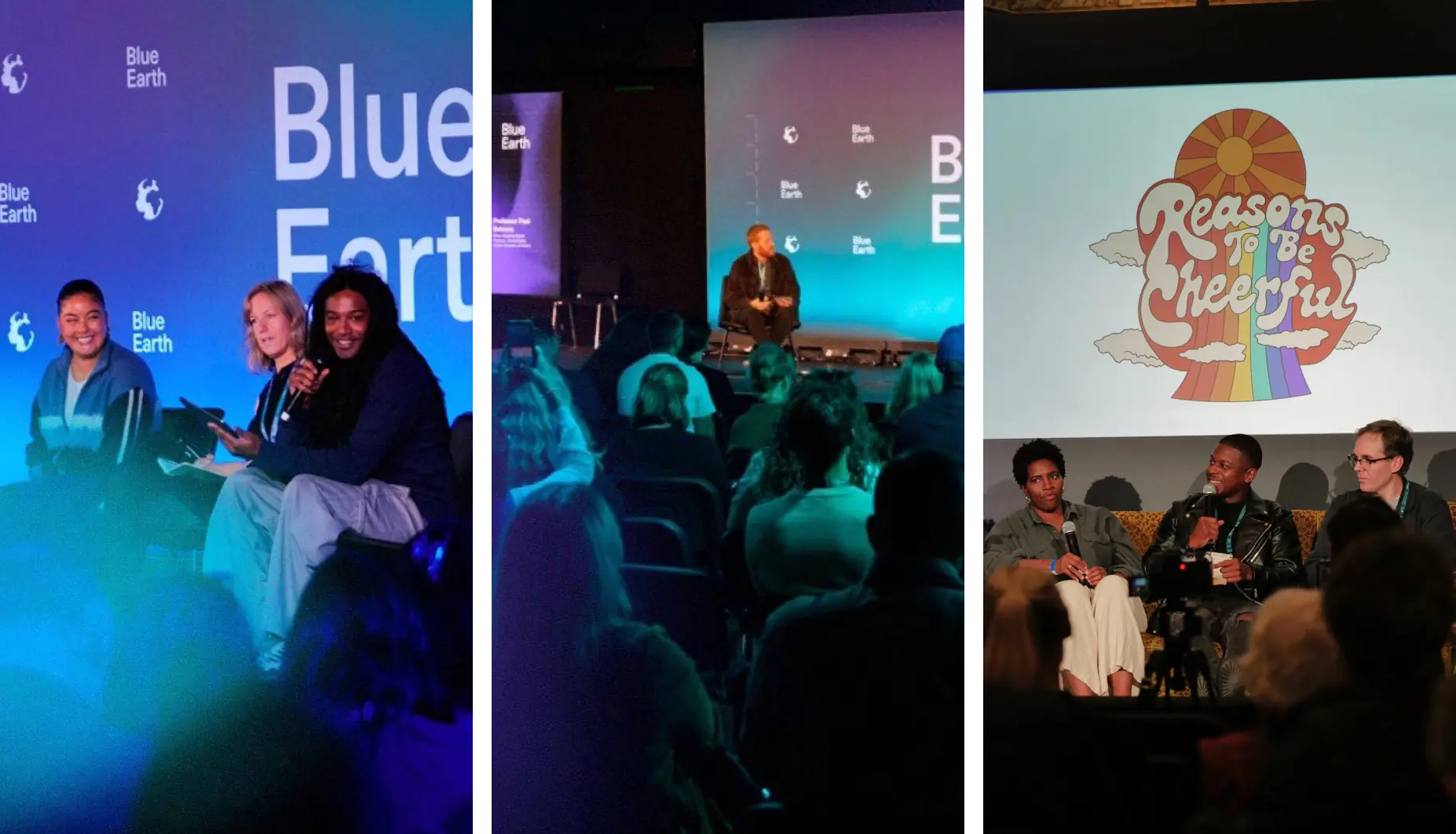
I spent two days at Blue Earth Summit 2026 surrounded by scientists, entrepreneurs, investors, creatives and people quite literally getting their hands dirty. All working to rethink the relationship between nature and business.
And I came away feeling something that’s in short supply at the moment. Hope.
Because something interesting is happening. Nature is finally getting a seat at the business table. Not as a charitable cause or a sustainability footnote, but as something fundamental to how businesses operate, create value and grow.
The conversation is shifting from what we can take from nature to what we can create in partnership with it.
From extraction to exchange
For generations, our economic model has been built on extraction. Take resources, turn them into products, sell them, repeat. Nature provides. Business profits.
But what I heard at Blue Earth was a growing movement towards a different model. One where nature isn’t simply a resource to be consumed, but a partner whose health is essential to our own prosperity.
From peatland restoration in Scotland to rewilding projects and regenerative farming, people are finding ways to put financial value on restoring natural systems rather than depleting them.
And crucially, they’re finding ways for that value to be shared.
It’s not straightforward. The financial models are still evolving. Measuring returns is complicated. Scaling what works is harder still.
But that’s what made it so inspiring. People aren’t waiting for perfect systems. They’re building, testing and learning in the real world.
Nature has value. But not just on our terms
Of course, businesses need commercial returns. Investment needs to make financial sense. And consumers still need reasons to choose one brand over another.
But there’s a danger in simply finding new ways to put a price tag on nature.
A forest isn’t valuable only because it captures carbon. A peatland isn’t valuable only because someone can trade a credit against it. These are living systems with value far beyond what appears on a balance sheet.
The opportunity is to build commercial models that recognise and reward that wider value, rather than reduce nature to another commodity to exploit.
Wildfarmed was a brilliant example. They’re challenging how food is grown and sold, creating a new standard that rewards better farming practices. The economics aren’t easy, and scaling regenerative agriculture remains a challenge, but they’re demonstrating that different ways of doing business are possible.
The power of unlikely partnerships
Another thing that struck me was how much progress happens when different worlds collide.
Finisterre and Plant One’s work restoring Cornish woodland brought together scientists, brands, communities, volunteers and storytellers. Each contributing something different, each helping create something bigger than they could alone.
Finance has a role. Science has a role. Business has a role. And creativity has a role too.
Because changing systems also means changing what people value, what they believe and ultimately what they choose.
Nature doesn’t need to be presented as something worthy and distant. It can be joyful, playful and part of our everyday culture. One of my favourite examples was teenagers sampling birdsong and remixing it with a rapper.
A small idea, perhaps. But a lovely reminder that we don’t have to make people feel guilty to make them care.
A different kind of growth
What excited me most wasn’t the idea that nature could become another growth industry.
It was the possibility of redefining what growth looks like.
A business can prosper while the landscapes, ecosystems and communities it depends on prosper too. Value doesn’t have to flow in only one direction.
We’re a long way from making that the norm. There are difficult questions about money, measurement, scale and what consumers are actually willing to pay for.
But at Blue Earth, I saw good, good people doing good, good things. Building businesses, restoring landscapes, challenging conventions and finding new ways forward.
And perhaps the biggest shift is this:
Nature isn’t something separate from us that we need to save. We’re part of it. Our businesses are part of it. Our future depends on it.
It’s about time we started doing business like it.
Helen Gibbs, Executive Creative Director
Doing business differently starts at home
At Juice, we believe business should be a force for good. It’s why we’re proud to be a Certified B Corporation, joining a global community of businesses committed to balancing people, planet and profit.
For us, it’s about more than certification. It’s a commitment to making better choices in how we work, who we work with and the impact we have.
Find out more about our B Corp journey and read our Impact Report.